
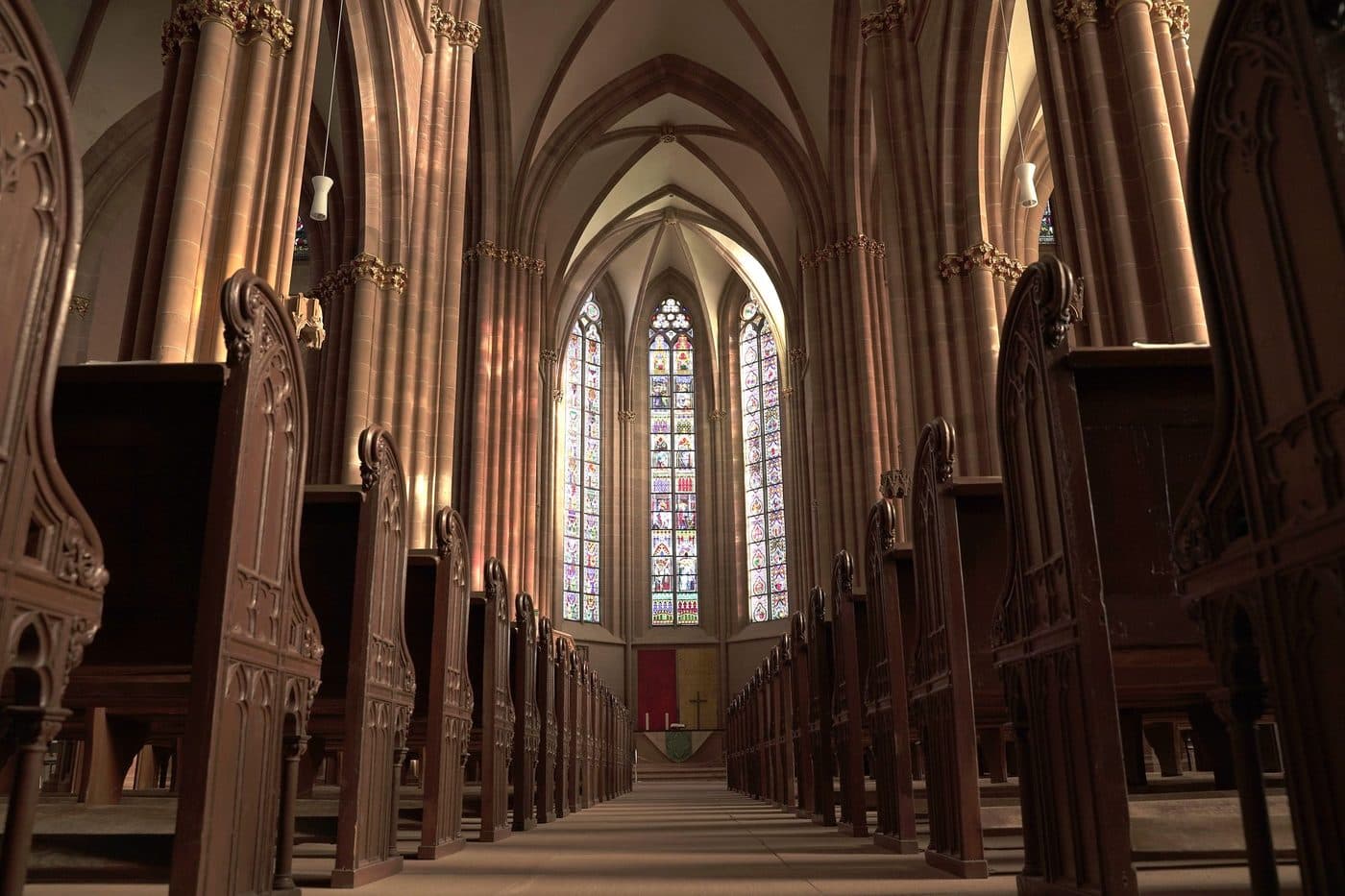
Houses of worship
Church Safety & House of Worship Training
Faith-friendly training and consultation for churches that want a thoughtful, practical approach to preparedness — for the congregants, children, staff and visitors in their care.
A serious conversation
Welcoming and prepared are not opposites.
Churches are called to be welcoming, peaceful and open to the people they serve. They also carry a genuine responsibility to protect congregants, children, staff, volunteers and visitors. Those two things sit together more comfortably than most people assume.
Church safety training is not about creating fear, and it is not about turning a sanctuary into a checkpoint. It is about helping a congregation think clearly, plan responsibly, and take practical steps that fit its convictions, its culture and its actual circumstances.
For most churches, the honest first step is simply having the conversation in a more organized and informed way than it has happened so far.
We do not use fear as a sales tactic.
We do not assume every church needs the same model.
We respect the culture and convictions of each congregation.
We believe preparation and stewardship matter.
We focus on practical steps, not theatrics.
We aim to help churches make wise, measured decisions.
What this training is designed to do
Move from vague concern to a specific plan.
- Recognise warning signs and concerning behavior
- Think through practical security and preparedness needs
- Identify weak points or vulnerabilities in the facility
- Discuss emergency response procedures and communication
- Evaluate volunteer roles and responsibilities
- Consider security team concepts where appropriate
- Identify whether additional training is needed for specific individuals
- Decide what genuinely fits your congregation — and what doesn't
What we offer
Built around your congregation.
Not every church takes the same path, and the right answer is not the same for every congregation.
Church safety education
A structured session for leadership and volunteers on how to think about safety in a house of worship without turning the church into something it is not.
Responsible armed-team education
For congregations that have decided to have an armed team, or are considering one: roles, restraint, coordination and the responsibilities that come with the decision.
Firearms fundamentals for volunteers
Hands-on instruction for individuals a church has identified, delivered privately and at an honest standard.
Situational awareness
Recognizing concerning behavior early, and what to do with that observation before it becomes an emergency.
Self-defense law seminars
Plain-language instruction on use of force, so volunteers understand the legal reality rather than what they have absorbed from television.
Customized safety education
Built for your congregation's size, facility, culture and convictions. There is no single model that fits every church.
Who this is for
The people who carry it.
- Pastors and ministry leaders
- Elders, deacons and trustees
- Church security committees
- Ushers, greeters and volunteer leaders
- Congregations beginning the conversation
- Churches that want a clearer preparedness plan
Instructor
Credentialed for this work.
Wes Francis has completed instructor certification in Church Safety: Protecting Your Congregation, which allows The Ammo Academy to deliver church-focused safety training in a structured, practical and faith-friendly format.
That certification is why we can deliver church-focused safety education in a structured format rather than as a generic firearms class with a church label on it. The difference matters to congregations, and it should.
About Wes FrancisHow it works
It starts with a conversation, not a proposal.
A conversation with leadership
We start by understanding your congregation — size, facility, culture, convictions, and what prompted you to look into this. No two churches arrive at the same place for the same reason.
Identify what you actually need
Some churches need a plan. Some need to clarify volunteer roles. Some have already decided to build a team and need help doing it responsibly. Naming the real need saves everyone time.
Structured education for the right people
Leadership, ushers, greeters, a safety committee, or a specific group of volunteers — delivered in a format that fits your congregation.
Practical next steps
You should leave with specific things to do, not a general sense of unease. Weak points identified, roles clarified, and a decision about what comes next.
FAQ
What church leaders ask us.
Does church safety training mean arming our congregation?
No. For many churches the right outcome is a plan, clearer volunteer roles and better awareness — with no firearms involved at all. Whether a congregation has an armed team is a decision for its leadership, and it is not the starting point of this conversation.
We're just starting to think about this. Is it too early to talk?
That is the best time. Most of the value comes from organizing the conversation properly before anything goes wrong, and the earliest sessions are usually about awareness, planning and identifying weak points rather than anything operational.
Will this feel political or alarmist?
No. We do not use fear as a sales tactic and we do not bring politics into a sanctuary. The framing is stewardship: you are responsible for people in your care, and responsible planning is part of that.
What if our congregation is divided on this?
Most are, and that is worth naming out loud. A structured conversation tends to help, because much of the disagreement comes from people imagining very different things when they hear 'church security.' Getting specific usually narrows the gap.
Do you work with churches of any size?
Yes. A small congregation and a large one face genuinely different problems, and the session is built around yours. There is no minimum size and no standard package.
What does it cost?
It depends on the format, length and what your congregation actually needs. We quote after a conversation rather than posting a package price that would not match your situation.
Free planning guide
Not ready to talk yet? Start with the written plan.
Most congregations have willing volunteers and nothing on paper. We published a full framework for what a church safety team policy should contain — roles and responsibilities, communication, medical response, children's ministry and reunification, emergency procedures, documentation and review cycles. It's free, there's no form in front of it, and it's useful whether or not you ever work with us.
Read the planning frameworkRequest a church safety conversation
Tell us a little about your congregation and what prompted you to look into this. There's no obligation and no pressure — the first conversation is genuinely just a conversation.